Introduction
In the face of escalating trade tensions and high tariffs on goods imported from China to the United States, businesses are seeking innovative ways to reduce costs while staying compliant with regulations. Tariffs, such as the steep 145% duty on whole bicycles, can significantly inflate expenses. However, with strategic planning, importers can legally minimize these costs. In this blog, we explore two effective methods—breaking down products into parts and optimizing packaging—to help businesses save substantially on tariffs and shipping costs when importing from China to the US.
1. Disassemble to Save: Breaking Down Products
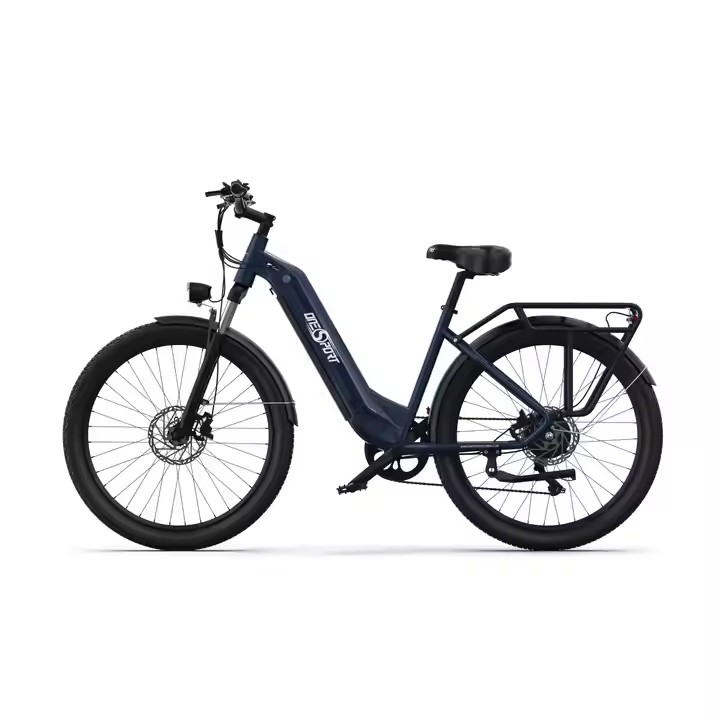
One proven strategy to avoid high tariffs is to disassemble products into their components before shipping. For instance, while the US imposes a 145% tariff on fully assembled bicycles, the tariffs on individual bicycle parts are often much lower or even exempt. By dismantling a bicycle into parts like frames, wheels, and handlebars, and shipping them separately, importers can significantly reduce tariff costs. Once the components arrive in the US, they can be reassembled locally, either in a warehouse or at a distribution center. This approach, often referred to as "breaking it down to build it up," allows businesses to sidestep tariff categories targeting finished products, saving substantial amounts while remaining compliant with trade regulations.
 2. Optimize Packaging to Slash Shipping Costs
 Another lesser-known but highly effective tactic is optimizing packaging to reduce shipping weight, which directly impacts costs. In the logistics industry, it’s an open secret that unbranded goods shipped from China to the US are typically charged based on their "chargeable weight"—a combination of actual weight and volume. By making packages lighter and more compact, businesses can lower their shipping fees, which often include tariff-related surcharges.
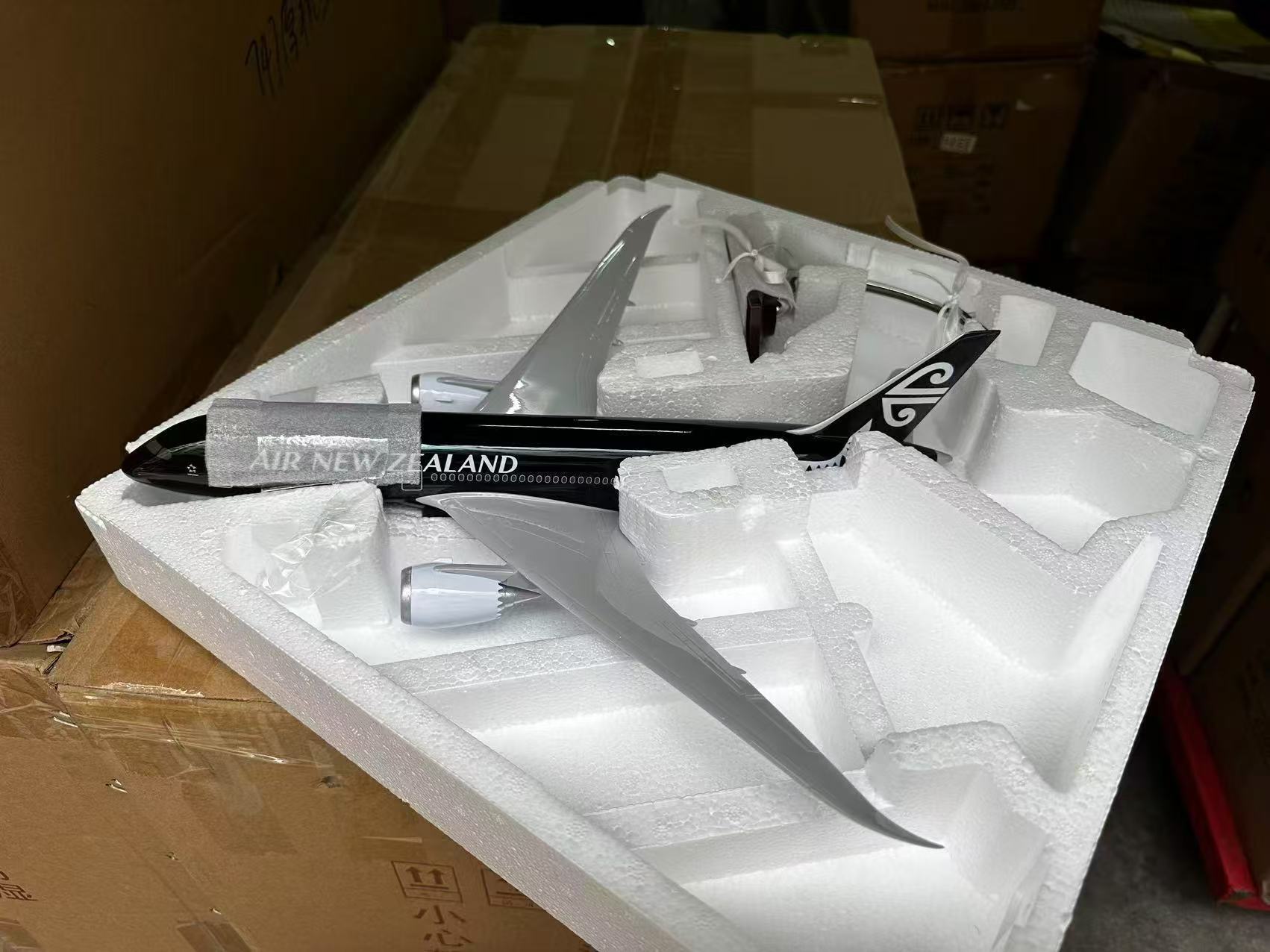
For example, consider a shipment where a box originally holds 100 units of a product with a chargeable weight of 15 kilograms. By redesigning the packaging to fit 150 units into a box with a chargeable weight of 17 kilograms, you reduce the per-unit shipping cost. In this case, the optimized packaging results in a 25% reduction in shipping fees—a significant saving for large-volume shipments.
Real-World Example: Saving Big on Airplane Models 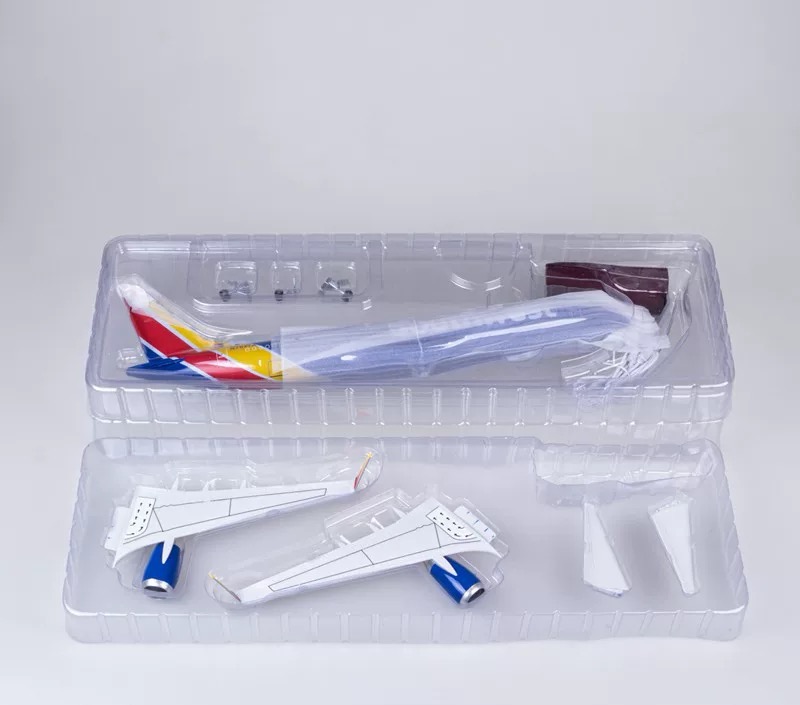
To illustrate the power of packaging optimization, let’s look at a recent case where we helped a client importing 500 airplane models from China. Initially, the manufacturer’s packaging used boxes measuring 95cm×46cm×46 cm, each holding only 6 models with a chargeable weight of 35 kilograms. After working with the manufacturer to redesign the packaging, we reduced the box size to 50cm×45cm×45 cm, allowing each box to hold 10 models with a chargeable weight of just 25 kilograms. This change slashed the shipping costs by approximately $14,500 for the entire order, translating to a cost reduction of $29 per airplane model. This example demonstrates how small changes in packaging can lead to massive savings, especially for high-volume importers.
ConclusionNavigating the complexities of US tariffs on Chinese imports requires creativity and strategic thinking. By disassembling products to avoid high-tariff categories and optimizing packaging to reduce shipping weights, businesses can achieve significant cost savings without compromising compliance. These methods—breaking down products and rethinking packaging—are not only practical but also scalable, offering importers a competitive edge in a challenging trade environment. Start exploring these strategies today to keep your costs low and your business thriving.


