The Tariff Reduction Paradox The tariff reductions were intended to ease trade tensions and stimulate commerce between the world’s two largest economies. According to a joint statement from the U.S.-China trade talks in Geneva, both nations paused 24% reciprocal tariffs and canceled additional 91% tariffs, retaining only a 10% base tariff, with the U.S. maintaining an additional 20% fentanyl-related tariff. This temporary truce was expected to boost imports and exports, particularly for U.S. retailers preparing for the holiday season. However, the sudden tariff relief triggered an unexpected surge in shipping activity.
Data from Vizion, a trade tracking agency, indicates that container bookings from China to the U.S. skyrocketed by nearly 300% after the tariff announcement. This surge reflects a rush to capitalize on the 90-day tariff window, as businesses aim to clear inventories and restock ahead of potential future tariff hikes. The pent-up demand stems from months of uncertainty, during which importers paused shipments to avoid the crippling 145% tariffs imposed in April 2025. The result is a massive backlog of goods now flooding the supply chain, overwhelming air freight capacity.
 Why Air Freight Rates Are Rising
Several factors contribute to the rising air freight rates:
Backlog and Pent-Up Demand: Prior to the tariff reductions, U.S. importers adopted a cautious approach, with container bookings from China dropping by up to 60% in April 2025 due to the high tariffs. Companies like Walmart and Target warned of potential supply shortages, prompting a stockpiling of inventory that lasted a few months. Now, with tariffs lowered, businesses are scrambling to ship goods held at factories and ports. Bonnie Ross, a New York-based clothing importer, noted that she pulled containers off ships during the high-tariff period but is now rushing to ship as much as possible within the 90-day window. This frenzy has created a bottleneck in air logistics.
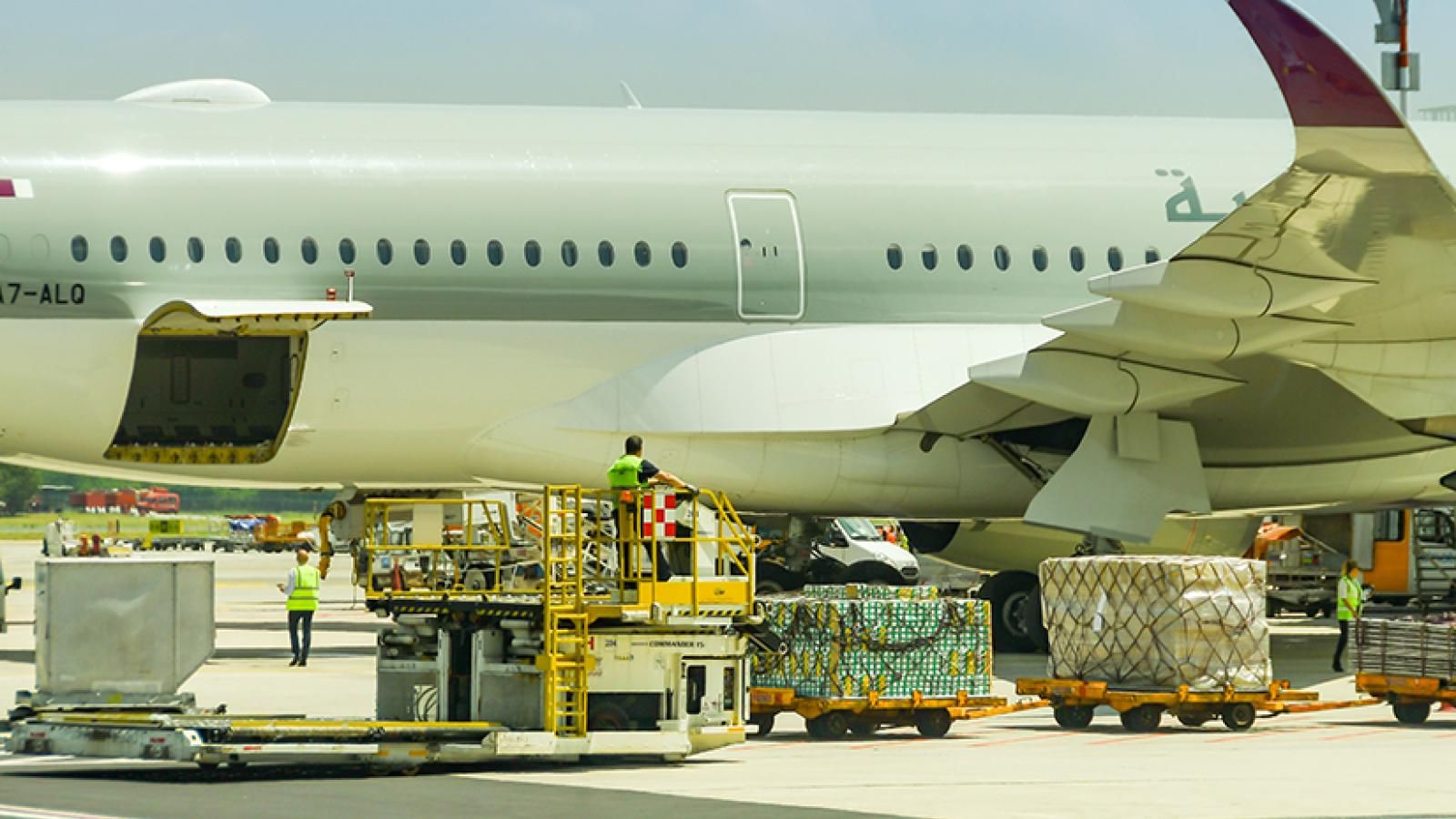
Limited Air Cargo Capacity: The air cargo sector is struggling to accommodate the sudden spike in demand. From May 1 to May 7, 2025, all-cargo flights between China and the U.S. dropped from a daily average of 65.83 in April to just 28, a nearly 50% reduction in capacity. This decline is partly due to carriers reallocating freighters to other routes, such as Far East to Europe, in response to earlier tariff-driven demand slumps. With fewer planes available, spot air cargo rates from Shanghai to the U.S. have risen to approximately $4.16 per kg, down from a peak of $5.75 but still significantly higher than the long-term norm.
E-Commerce and Holiday Season Pressure: Chinese e-commerce platforms like Temu and Shein, which account for 50% to 60% of China-U.S. air cargo volumes, are major drivers of demand. The elimination of the de minimis exemption for Chinese goods (previously allowing duty-free entry for shipments under $800) has not deterred e-commerce shipments, as businesses frontload orders to beat potential tariff reimpositions. Additionally, the approaching holiday season amplifies demand, with retailers like Amazon and Home Depot prioritizing shipments to meet consumer expectations.
Geopolitical and Economic Context: The tariff reductions come amid a broader “permacrisis” in global trade, marked by geopolitical tensions, Red Sea disruptions, and fears of a “Trumpcession.” While the Red Sea crisis has eased with a Houthi ceasefire, earlier diversions around the Cape of Good Hope strained global shipping capacity, indirectly affecting air freight availability. The uncertainty surrounding the 90-day tariff pause further fuels the rush to ship, as businesses fear a return to higher tariffs in August 2025.
 Data Supporting the Trend
Freight Rate Increases:Trans-Pacific ocean freight rates have risen from $2,000 per 40-foot equivalent unit (FEU) in mid-April to approximately $2,500 by May 11, 2025, reflecting broader shipping pressures. Air freight rates, while not collapsing, remain elevated due to capacity constraints.
Port Congestion: The Port of Los Angeles, handling 40% of U.S. imports from Asia, reported a 10% year-over-year decline in shipments last week but is now bracing for a surge in Chinese containers. Stephen Edwards, CEO of the Port of Virginia, noted that ports are reviewing past scenarios (e.g., COVID-19 and Red Sea disruptions) to prepare for potential congestion.web:12�EW
Booking Surge: The 300% increase in container bookings underscores the intensity of the current demand spike, outpacing the air cargo industry’s ability to scale capacity quickly.
Current Hotspots and Implications
The tariff-driven shipping boom is a double-edged sword. On one hand, it provides short-term relief for retailers and small businesses, allowing them to resume imports and prepare for the holiday season. Matthew Shay of the National Retail Federation described the tariff pause as a “critical first step” for retailers. On the other hand, the surge in freight volumes is driving up costs and risking delays, which could lead to higher consumer prices. Steve Lamar of the American Apparel and Footwear Association warned that even the reduced 30% tariff, combined with existing duties, will make the holiday season expensive for consumers.
Moreover, the air cargo sector faces long-term challenges. The earlier tariff hikes decimated demand, prompting carriers to cancel charters and shift capacity elsewhere. The current rush is temporary, and a potential drop in volumes post-August could further destabilize rates. Xeneta analysts predict that lower consumer demand due to higher prices may eventually depress air cargo rates, but not in the immediate term.
 Solution: Pivot to Sea Freight
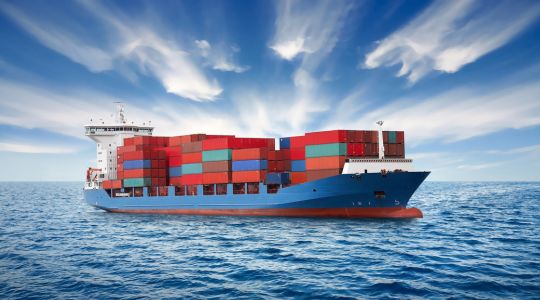
 To mitigate the high air freight costs and capacity constraints, businesses should consider pivoting to sea freight for non-urgent shipments.Sea freight offers several advantages:
Cost-Effectiveness: Sea freight rates, while volatile, are significantly lower than air freight. For example, shipping a 40-foot container from Shenzhen to Los Angeles costs approximately $5,500–$6,500, compared to air freight rates of $4.16 per kg for smaller, high-value goods. For bulkier items like furniture or apparel, sea freight is far more economical.
Increased Capacity: Ocean carriers have faced overcapacity issues due to earlier demand slumps, with rates dropping to $2,187/FEU for Asia-U.S. West Coast routes. This excess capacity can absorb the current surge in demand, reducing the risk of congestion compared to air freight.
Strategic Planning: Sea freight requires longer lead times (e.g., 2–4 weeks versus 5–7 days for air), but businesses can leverage the 90-day tariff window to plan shipments strategically. Consolidating shipments via Less than Container Load (LCL) or Full Container Load (FCL) options can further optimize costs.
Diversified Ports: To avoid congestion at major ports like Los Angeles, importers can route shipments through East Coast ports like Savannah or Charleston, which have seen less backlog.
Implementation Steps:
Assess Inventory Needs: Prioritize high-value, time-sensitive goods for air freight and shift bulk or non-urgent items to sea freight.
Partner with 3PL Providers: Third-party logistics (3PL) providers can optimize shipping routes and consolidate shipments to reduce costs.
Monitor Port Congestion: Use real-time freight rate calculators and logistics platforms like Freightos or SeaRates to track port conditions and secure affordable rates.
Diversify Sourcing: Explore manufacturing hubs in Vietnam or Mexico to reduce reliance on China, mitigating future tariff risks.
Conclusion
The unexpected rise in air freight rates from China to the U.S., despite tariff reductions, highlights the complexities of global trade in a volatile geopolitical landscape. A backlog of goods, limited air cargo capacity, and holiday season pressures have created a perfect storm, driving up costs and straining supply chains. By pivoting to sea freight, businesses can capitalize on lower rates and higher capacity to navigate this turbulent period. As the 90-day tariff pause unfolds, proactive planning and diversified logistics strategies will be key to ensuring cost efficiency and supply chain resilience.


