Facing the high tariffs in the current U.S.-China trade relationship (cumulative tariffs on Chinese goods reaching up to 145%), procuring from China requires careful product selection to ensure cost-effectiveness and market competitiveness. Below are product types that may still be suitable for procurement from China despite high tariffs, based on their high added value, unique supply chain advantages, or market demand.
Suitable Product Types
High-ValueCustomized Products (e.g., PVC Velcro Patches and Other Lightweight, High-Priced Items) Reason: PVC Velcro patches are highly customizable, ideal for small-batch, diverse production. China's manufacturing capabilities and cost advantages remain globally competitive. Even with a 145% tariff, the high profit margins and market demand for customized products can absorb some costs.
Advantages:
Chinese suppliers offer no minimum order quantities, free design services, and fast
delivery (7-20 days), reducing initial costs.Compared to production in the U.S. or Europe, China's mold-making and labor costs are lower, making total costs competitive despite tariffs.
Suggestions: Opt for complex designs or high-precision PVC patches (e.g., 3D effects or Pantone color matching), as other countries struggle to match China's production efficiency and quality.
Tariff Impact: The 145% tariff significantly affects low-priced standardized products, but customers of high-value customized products are less price-sensitive.
Electronic Components and High-Tech Products
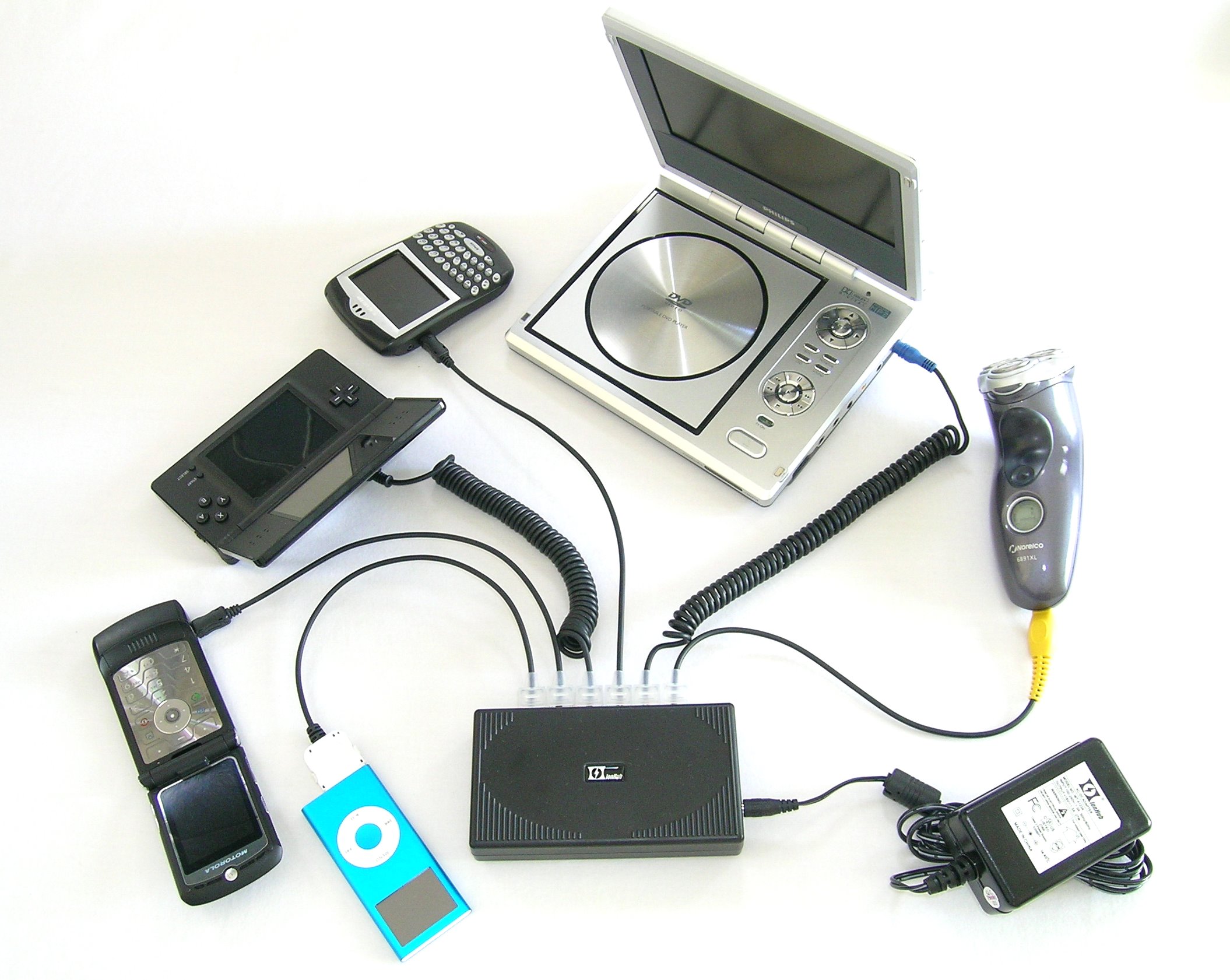
Product Examples
Semiconductors (despite 70% tariffs).
Lithium-ion batteries (173% tariffs).
Consumer electronics accessories (e.g., phone screens, sensors).
Reason: China's dominant role in the global electronics supply chain (e.g., Shenzhen's electronics manufacturing ecosystem) makes it an irreplaceable supplier. Despite high tariffs, U.S. domestic or other countries' production capacities cannot fill the gap in the short term.
Advantages: Chinese suppliers offer rapid iteration and large-scale production, meeting the dynamic demands of high-tech products.
Suggestions: Select high-profit-margin electronic products (e.g., specialized sensors or custom circuit boards) and offset tariff costs by increasing prices or optimizing supply chains (e.g., transshipment).
Labor-Intensive, Craft-Complex Products
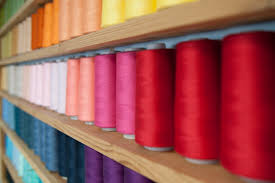
Product Examples:
Textiles (e.g., wool sweaters, 169% tariffs).
Toys, dolls, puzzles (145% tariffs).
Handcrafted items or intricate decorative products.
Reason: China has a mature labor-intensive industry and skilled workforce, which low-cost countries (e.g., Vietnam, India) cannot fully replace in terms of efficiency and quality.
Advantages: The production of PVC Velcro patches involves multiple manual processes (e.g., mold carving, color filling), where Chinese factories' experience and technical expertise result in lower costs than emerging markets.
Suggestions: Prioritize products requiring high craftsmanship and reduce procurement of price-sensitive low-end products.
Medical-Related Products
Product Examples: Syringes and needles (245% tariffs).
Vitamin C (145% tariffs).
Disposable medical consumables.
Reason: China is the world's largest producer of medical consumables, and post-pandemic global demand for medical products remains strong. Despite extremely high tariffs, the rigid demand and high profit margins of medical products make them viable for procurement.
Advantages: Chinese suppliers provide products meeting international standards (e.g., ISO, FDA) with fast delivery.
Suggestions: Procure high-value medical products (e.g., customized medical-grade PVC patches for first-aid kits) and enhance premium pricing through branding
Green Energy Products
Product Examples:
Solar panels and components.
Wind energy equipment parts.
Reason: China dominates the global green energy supply chain (e.g., over 80% of global solar panel production). Despite high tariffs, U.S. demand for green energy products, driven by policy subsidies, makes them attractive.
Advantages: Chinese suppliers offer comprehensive solutions, from design to production, at lower overall costs than other countries.
Suggestions: Prioritize high-tech green energy components and leverage U.S. subsidy policies (e.g., IRA) to offset tariff costs.
Conclusio
In a high-tariff environment, procurement from China remains suitable for high-value, customized products (e.g., PVC Velcro patches), labor-intensive crafts, green energy components, and lightweight but relatively high-priced products. These products benefit from China's unique supply chain advantages, rigid demand, or high profit margins, which can offset tariff impacts.


