President Trump's presidency (2017-2021) significantly impacted trade between China and the United States, particularly in industries like promotional products . His administration's policies introduced challenges and opportunities that reshaped how American advertising dealers engaged with Chinese suppliers. Now he is coming again , As he has previously announced, he will raise tariffs on Chinese products to 50 percent, As he has previously announced, he will raise tariffs on Chinese products to 50%, so if that is the case, what will be the impact on Chinese factories and American marketers and how should we deal with it? Below is an analysis of the key impacts and strategies for American advertising dealers:
1, **Tariffs and Trade War:** -
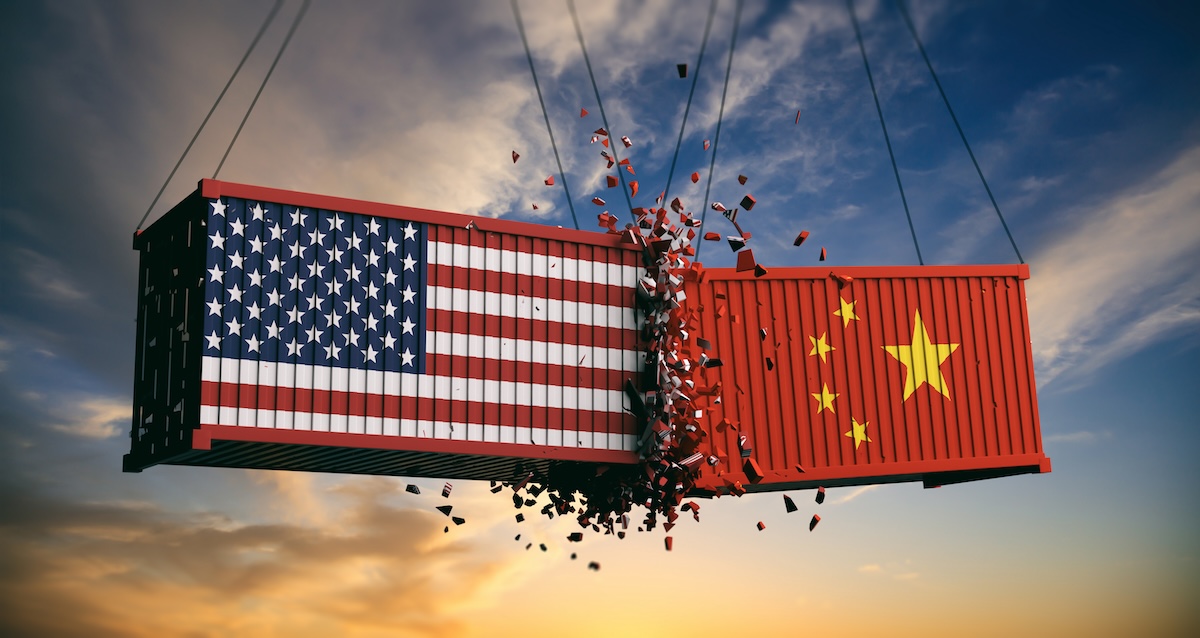
The U.S. imposed tariffs on Chinese goods, including many promotional and advertising products. Tariffs ranged from 10% to 25%, increasing the cost of importing items like mugs, pens, and tote bags from China.
2. **Supply Chain Disruption:**
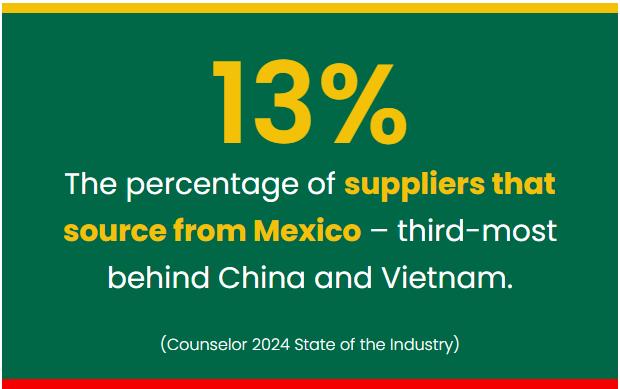
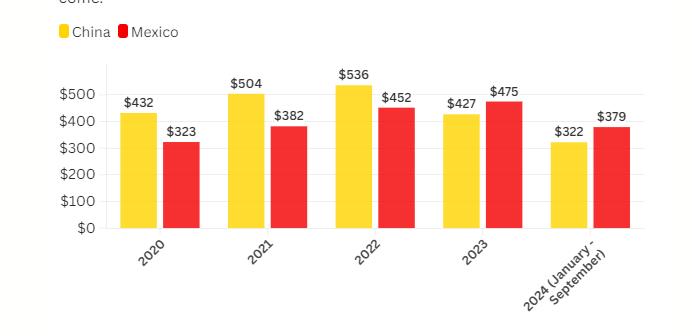
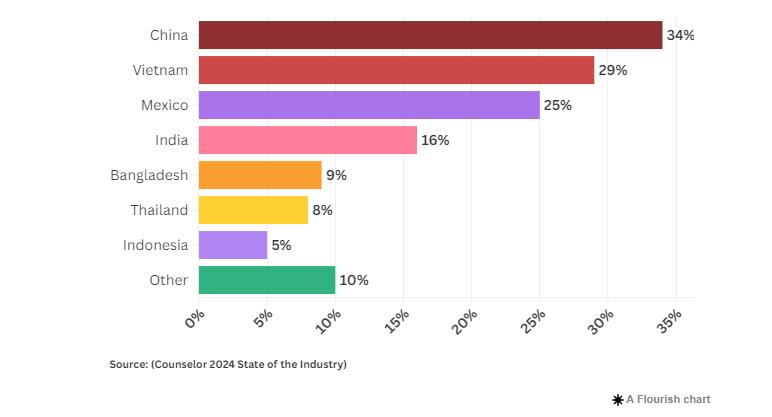
Tariffs prompted American businesses to reevaluate their supply chains. Some companies diversified sourcing to other countries like Vietnam, India, and Mexico to mitigate tariff impacts.
3. **Increased Production Costs:** - Higher costs from tariffs were often passed on to consumers or absorbed by distributors, reducing profit margins.
4. **Regulatory Scrutiny:** - Enhanced scrutiny on imports, including stricter compliance with product safety and customs regulations, added complexity to importing from China.
5. **Bilateral Tensions:** - Deteriorating U.S.-China relations created uncertainty in the market, discouraging some long-term investments in Chinese sourcing.
So what is the Strategies for American Advertising Dealers?
1. **Diversify Sourcing:** -
Identify alternative suppliers in countries with favorable trade agreements and lower tariffs. Southeast Asia and Latin America have become viable alternatives for certain product categories.
2. **Negotiate with Chinese Suppliers:** -
Work with Chinese factories to absorb some tariff costs, improve efficiency, or offer innovative product designs that justify higher pricing.
3. **Optimize Inventory Management:**
Increase inventory planning to reduce the need for just-in-time imports, thereby mitigating the risk of sudden cost increases due to tariffs or trade disruptions.
4. **Focus on Value-Added Services:**
Shift the focus from purely low-cost sourcing to offering unique, customized, or branded products that can command higher prices and offset tariff costs.
5. **Educate Clients:** - Communicate the reasons for price increases to end customers, emphasizing quality, compliance, and ethical sourcing.
6. **Leverage Domestic Manufacturing:** - For select products, explore domestic manufacturing to reduce dependency on imports. This is particularly feasible for short-run, high-margin, or specialty items.
In the meantime , There are also Opportunities in a Challenging Environment, For instance .
1. **Customized Solutions:** - Increasing demand for unique promotional products can justify higher prices, reducing the sensitivity to cost increases.
2. **Strengthened Relationships with Chinese Partners:** - Dealers who maintained strong relationships with Chinese factories could negotiate better terms or prioritize production slots during times of disruption.
3. **Advocacy and Policy Influence:** - Industry associations like the Promotional Products Association International (PPAI) provided a platform for advocating reduced tariff burdens and engaging with policymakers.
4. **Tech-Driven Solutions:** - Investments in digital tools, such as online proofing and virtual product customization, streamlined operations and added value for clients.
in word, While the Biden administration has taken a less confrontational approach to trade policy, many of the tariffs and regulatory changes introduced under Trump remain in place. Advertising dealers should continue adapting by:
- Monitoring trade policies closely to anticipate changes.
- Investing in robust supplier networks to remain agile.
- Emphasizing sustainability and compliance, which align with consumer preferences and regulatory trends.
- Partnering with Chinese suppliers who demonstrate flexibility and innovation.
PromoAF, As a sourcing agent makes our well-positioned to guide clients in navigating these complexities, leveraging our network to balance cost-efficiency with quality and reliability.
Chinese factories and suppliers of promotional products had varied reactions to President Trump’s tariff policies, reflecting both resilience and strategic adaptation. Here’s an analysis of their responses:
Pricing Adjustments Absorbing Costs: Many Chinese suppliers opted to absorb some of the tariff costs to maintain competitiveness and retain U.S. buyers. This was especially common for high-volume clients or strategic accounts.
**Discounts and Incentives:**
Suppliers offered more aggressive discounts, flexible payment terms, or free samples to offset the increased landed cost for their U.S. partners.
**2. Diversification of Markets**
Reduced Reliance on U.S. Markets:Chinese factories intensified efforts to expand into other markets like Europe, Southeast Asia, and Africa to reduce dependence on U.S. buyers.
**Local Market Growth:** Some manufacturers pivoted to serving the growing domestic Chinese market, particularly for customized goods and promotional products for Chinese companies.
**3. Operational Adjustments**  **Shifting Production to Neighboring Countries:**
 To bypass tariffs, some Chinese suppliers relocated or outsourced production to neighboring countries like Vietnam, Thailand, and Cambodia. These countries offered lower labor costs and tariff-free access to the U.S. under certain agreements.
**Joint Ventures and Partnerships:**
Factories partnered with companies in tariff-exempt regions to assemble or finish products, thus qualifying for lower tariff rates.
**4. Innovation in Product Design and Materials**
Product Redesigns:
Suppliers innovated to create products that could classify under lower-tariff HS (Harmonized System) codes. For instance, altering the composition or assembly process could lead to lower tariff rates.
Material Substitution:
Factories experimented with alternative materials that offered cost savings to offset tariffs, particularly for lower-end promotional items.
**5. Advocacy and Lobbying**
**Engaging Trade Associations:**
Chinese factories collaborated with trade associations and American partners to lobby against tariffs, emphasizing the mutual benefits of the U.S.-China trade relationship.
**Highlighting Economic Impacts:**
Many suppliers worked with U.S. distributors to communicate how tariffs raised costs for American businesses and consumers, using this narrative to push for policy changes.
**6. Strengthened Relationships with U.S. Buyers**
**Custom Solutions for Key Clients:**
To retain large U.S. buyers, suppliers offered tailored solutions, such as bundled pricing, warehousing in China, or additional support for logistics.
Transparency and Collaboration:
Factories emphasized clearer communication about costs, delivery timelines, and compliance to reassure U.S. partners amidst trade uncertainties.
7. Investments in Automation and Efficiency
**Cost Reduction via Automation:**
Many factories invested in automation to reduce dependency on manual labor, cutting production costs and compensating for tariff-induced price hikes.
**Improved Quality:** Suppliers focused on quality improvements, ensuring that higher product prices were justifiable for end consumers.
8. Strategic Patience
**Short-Term Sacrifices:** Some Chinese factories accepted reduced margins during the Trump administration, banking on long-term relationships with U.S. buyers and anticipating a change in policy under future administrations.
**Focus on Reputation:** Factories prioritized maintaining reliability, even at reduced profitability, to avoid losing trust and future business opportunities.
Challenges Faced by Chinese Suppliers
1. **Uncertainty:** The unpredictable nature of tariff announcements created difficulties in planning and pricing strategies.
2. **Logistics Disruption:** Tariffs coincided with other global challenges, like rising shipping costs and container shortages, compounding the impact.
3. **Competitive Pressure:** Suppliers faced competition from other countries, forcing them to innovate or reduce costs further.
**Lessons Learned by Chinese Factories**
**Flexibility Is Key:** Adapting quickly to policy changes by diversifying operations and markets proved essential. - **Globalization Remains Crucial:** Even amidst trade wars, cross-border partnerships helped mitigate risks and sustain growth.
**Innovation Drives Survival:** Creative problem-solving, whether in product design or logistics, helped many suppliers weather the storm. --- Chinese suppliers, overall, demonstrated resilience and adaptability to President Trump’s policies, ensuring they remained competitive in the global market. For professionals like Frantisek, understanding these strategies offers valuable insights for maintaining strong partnerships with Chinese factories in a challenging trade environment.


